Posts mit dem Label question words werden angezeigt. Alle Posts anzeigen

Donnerstag, März 03, 2011

Day 42. Orientierung systematisch

In class today, we learned about asking and understanding directions. Below are some useful phrases that can help us when asking or giving directions.


For convenience, you may also download this document in PDF format from my cache. 
Click here to redirect.



Donnerstag, Februar 10, 2011

Day 32. Im Verlagshaus

Today, we started discussing about requesting information, getting around and asking directions in German. The example used in the textbook was a publishing house. Here are some words and phrases that I learned today.


Sätze
„Guten Tag.Ich suche die Marketingabteilung. Wo ist die bitte?”
„Wo finde ich bitte die Chefredaktion?”
„Wo ist bitte die Kantine?”
„Wo sind hier die Toilletten?”

Was ist wo im Verlag? (Seite 100).

Die Leipziger Volkszeitung hat ihr Verlagshaus am Peterssteinweg 19. Das Haus hat vier Etagen. Im Verlag arbeiten viele Leute. Unten, im Erdgeschoss, sind der Empfang und die Kantine. In der ersten Etage ist die Online-Redaktion. In der zweiten Etage sind die Redaktionbüros. Viele Redakteure arbeiten hier an ihren Computern, auch nachts. In der dritten Etage ist die Redaktion Sport. In der vierten Etage sind die Konferenzräume und das Büro von Dr. Weber. Er ist Marketingschef.

✎ My personal wordbank: Prepositions in German (Präpositionen)
I found a nice table of German prepositions and their linking expressions at Linguanaut.


English Prepositions
German Prepositions
The keyboard is on the desk
Die Tastatur ist auf dem Schreibtisch
The carpet is under the table
Der Teppich ist unter dem Tisch
The tree is in front of the building
Der Baum is vor dem Gebäude
The child is hiding behind his mother
Das Kind versteckt sich hinter seiner Mutter
German Demonstrative Prepositions
This
dies
That
das
These
diese
Those
jene
Vocabulary
German Prepositions
Above
über
After
nach
Around
um
At
an
Because of
wegen
Before
bevor
Beside
neben
Between
zwischen
But
aber
Close to
nah bei/ in der Nähe von
Down
unten
During
während
For
für
From
von/ aus
In
in
In front of
vor
Inside
in
Instead of
anstatt
Like
wie
Near
nahe
Next to
neben
On
auf
On top of
auf
Out
aus
Outside
aussen
Over
über
Over
über
Since
seit
Than
als
To
zu
Under
unter
Until
bis
Up
oben
Without
ohne

Dienstag, Februar 08, 2011

Day 30. Sich verabreden - ein Rollenspiel vorbereiten

Here are some words and phrases that I learned today.

Entschuldigungen/Ausreden: 
„Warum bist du spät?‟

Sätze

„Entschuldigung, aber ich war im Stau.”
„Entschuldigung, ich hatte keinen Stadtplan.”
„Enstschuldigung, ich hatte keine Uhr.”
„Entschuldigen SIe, dass ich zu spät komme. Mein Zug hatte Verspätung.”
„Tut mir leid, ich bin zu spät. Mein Auto war kaputt.”
„Tut mir leid, ich habe den Termin vergessen!”

✎ My personal wordbank: To have in past tense.

Indikativ
ich
du
er/sie
wir
ihr
sie/Sie

Präteritum
hatte
hattest
hatte
hatten
hattet
hatten


Dienstag, Februar 01, 2011

Day 27. Telling time in German

Here are some words and phrases that I learned today.

Sätze
Asking for time: 
„Wie viel Uhr ist es?”
„What time is it?”
„Wie spät ist es?”
„How late is it?” (literally)
„Haben Sie die Zeit?” (formal)

When saying the time in German:
Uhr - hour, o'clock
Viertel - quarter
nach- past
vor - to
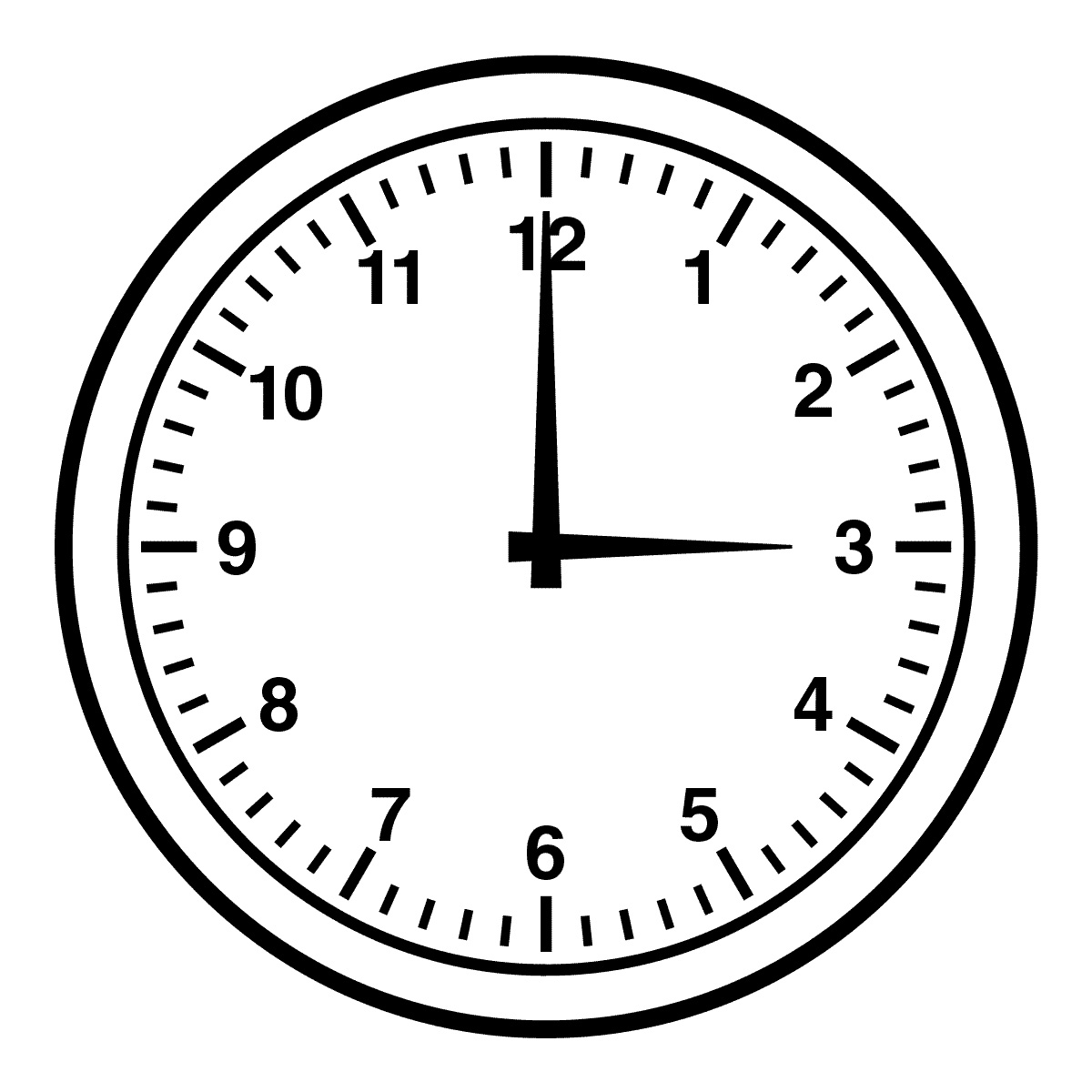
Es ist drei Uhr - It's 3 o'clock
Es ist Viertel vor zwei - It's quarter to two
Es ist fünf nach sieben - It's five past seven
Es ist zwanzig vor zehn - It's twenty to ten
Es ist genau vier - It's exactly four.
Es ist schon vier - It's four already.

Take note that it's a little confusing when you're saying half past in German. In English, we were taught to say it's half past the previous hour whereas in German we say it's half an hour before the following hour (TO the hour instead of half PAST the hour).
Es ist halb vier - It's half past three
Es ist halb fünf - It's half past four

To say at what time, use um.
„Wir sehen uns um halb drei”- "We'll meet at 2:30"


Another consideration is that there are two distinction when telling time in German: offiziel und in der Umgangssprache (official and "colloquial"). The 24-hour-clock is used in timetables and official schedules. Here's an example:

 Offiziel: Es ist 3 Uhr (morgens); Es ist 15 Uhr.   Umgangssprache: Es ist drei.

Freitag, Januar 07, 2011

Day 23. Städte-Länder-Sprachen

Deutsch im Kontakt
Here are some words and phrases that I learned today.

Sätze
„Wirklich?”
„Richtig.”
„Wie lange warst du schon ______?”
„Wann lange bleibst du hier?”
„Was machst du hier?”
„Wann bist du hier angekommen?”
„Nachstes Jahr.”

Verben
Fahren = to drive/go/travel
Geben = to give
es gibt = there is/are

 Nomen singular (plural)
die Arbeit (die Arbeiten) = work
die Grenze (die Grenzen) = border
der Nachbarregion (die Nachbarrregionen) = neighboring region
der Ökonomie = Economics
der Telekommunikation = Telecommunication
der Tourismus = Tourism
der Verkerh = Trade


✎My personal wordbank: Die W-Frage, der Aussagesatz, die Satzfrage

Just like the declarative and interrogative sentences in English, German sentences follow recognizable patterns, depending on the position of the verb. 

Examples:
W-Frage = Woher kommst 2 du?
Aussagesatz = Ich komme 2 aus Polen.
Satzfrage = Kennst 1 du Krakau?

In the W-Frage, the verb is in position 2.
In the Aussagesatz, the verb is in position 2.
In the Satzfrage, the verb is in position 1. 


Sonntag, November 14, 2010

Day 4. Start auf Deutsch

Here are some words and phrases that I learned today. 

Sätze
„Ich wohne in einem Studentenwonheim.” 
      „Wie Schreibt man das?”     
 „Buschstabieren Sie, bitte.”  
   „Tschau!”   
„Wie, bitte?”

Verben
ergänzen = to complete
sprechen = to talk
schreiben = to write

Nomen
Aufgabe = exercise or seatwork or task
Begrüßung = salutation or greeting
Studentenwohnheim­ = student dormitory
Seite = page
Vorstellung = introduction


✎My personal wordbank: (Question words)
Woher  = Where from
Wo = Where
Wann = When
Wer  = Who
Was = What
Wie  = How
Warum = Why
Welche = Which