
Posts mit dem Label Zahlen und zählen werden angezeigt. Alle Posts anzeigen

Dienstag, Februar 01, 2011

Day 27. Telling time in German

Here are some words and phrases that I learned today.

Sätze
Asking for time: 
„Wie viel Uhr ist es?”
„What time is it?”
„Wie spät ist es?”
„How late is it?” (literally)
„Haben Sie die Zeit?” (formal)

When saying the time in German:
Uhr - hour, o'clock
Viertel - quarter
nach- past
vor - to
Es ist drei Uhr - It's 3 o'clock
Es ist Viertel vor zwei - It's quarter to two
Es ist fünf nach sieben - It's five past seven
Es ist zwanzig vor zehn - It's twenty to ten
Es ist genau vier - It's exactly four.
Es ist schon vier - It's four already.

Take note that it's a little confusing when you're saying half past in German. In English, we were taught to say it's half past the previous hour whereas in German we say it's half an hour before the following hour (TO the hour instead of half PAST the hour).
Es ist halb vier - It's half past three
Es ist halb fünf - It's half past four

To say at what time, use um.
„Wir sehen uns um halb drei”- "We'll meet at 2:30"
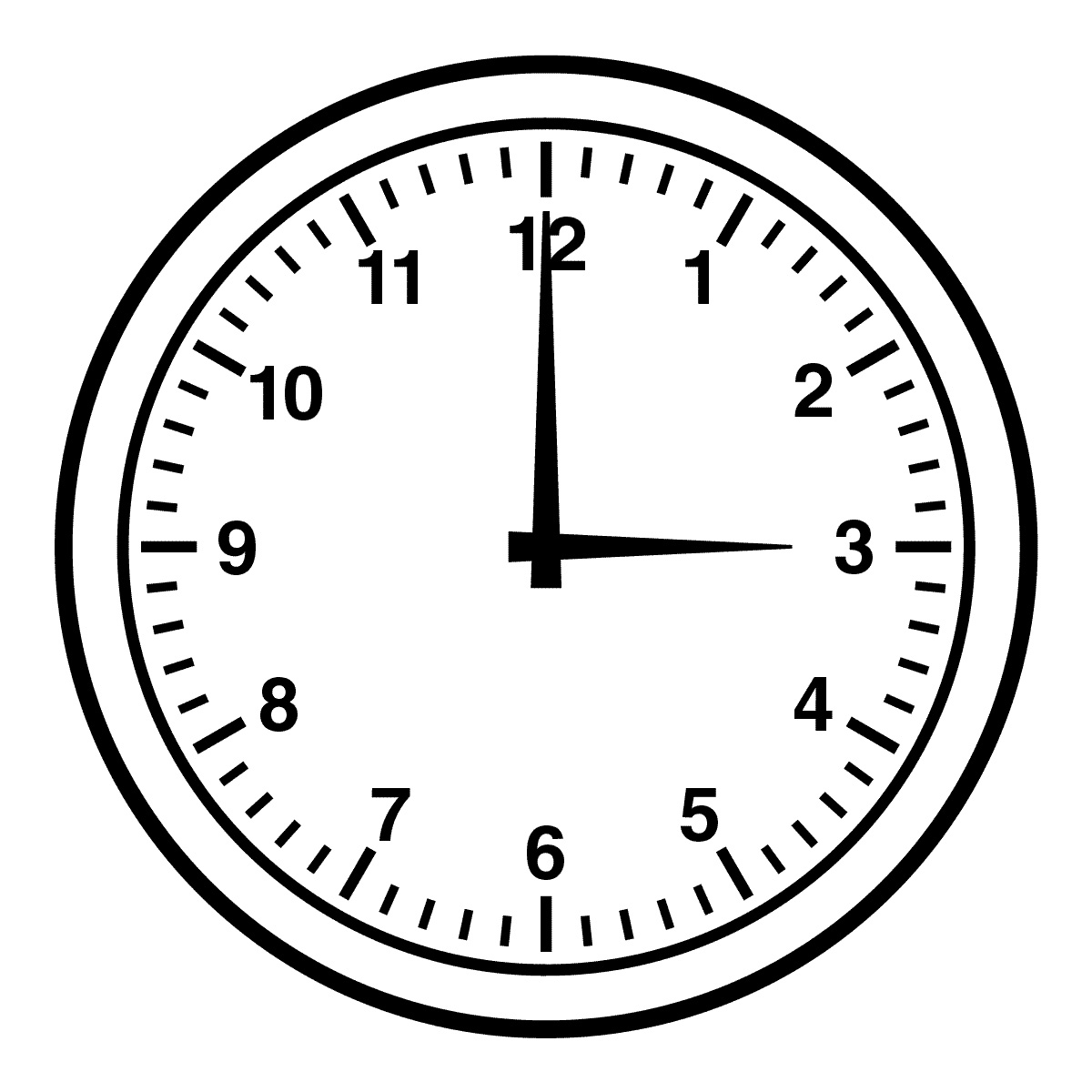


Another consideration is that there are two distinction when telling time in German: offiziel und in der Umgangssprache (official and "colloquial"). The 24-hour-clock is used in timetables and official schedules. Here's an example:

 Offiziel: Es ist 3 Uhr (morgens); Es ist 15 Uhr.   Umgangssprache: Es ist drei.

Freitag, November 26, 2010

Day 11. Zahlen und zählen

Here are some words and phrases that I learned today. 

Sätze
„Wie viel kostet das?”
„Zahlen, bitte.”
„Stimmt das so.”
„Wann hast du Gerburtstag.”
oder
„Wann haben Sie Geburtstag.”

Verben
bestellen = to order
grüßen = to greet 
mögen = to like


Nomen
Getränke = beverages
Rechnungen = receipts
Vorwahl = country or city code


✎ My personal wordbank: (Ordinalzahlen und Monate auf Deutsch):
ersten = first
zweiten = second
dritter  = third
vierten = fourth
fünften = fifth
(and so forth)


Gender of the preceding noun must be put to consideration. Hence it would be: erster, zweiter, dritter, vierter, etc. for masculine and erste, zweite, dritte, vierte, etc. for feminine.

Januar 
Februar
März
April
Mai
Juni
Juli
August
September
Oktober
November
Dezember

Donnerstag, November 25, 2010

Day 9. Zahlen und zählen

Here are some words and phrases that I learned today.

Sätze
 „Wie ist die nummer?”
„Entschuldigung, falsch verbunden.”
„Wie alt sind Sie?”
„Wiederholen Sie, bitte.”
oder  
„Bitte wiederholen Sie das.”

Verben
verbinden = to connect
wiederholen = to repeat
zählen = to count

Nomen
Handy = mobile phone
Telefonnummer = telephone number
Zahlen = numbers

Continuing on numbers, here is an additional reminder:
Sometimes, when telling telephone numbers, grouping the digits helps. 
Example would be saying 73498755 as "sieben, drei, vier, neun, acht, sieben, fünf, fünf" can be said as "dreiundsiebsig, neunundvierzig, siebenundachtzig, fünfunfümfzig." But of course, it depends on the actual number of digits. The example given has 8 digits.


✎My personal wordbank: 
gleich = equal
ist gleich = equals
neunzehnhundertfünfundneunzig = 1995
zweitausendzehn = 2010
Ich bin ______ Jahre alt. = I am ____ years old.

Dienstag, November 23, 2010

Day 8. Zahlen und zählen

Today, we breezed through numbers. Reminders on counting in German:

1. Digits and numbers from zero to twelve are specific words: eins (1), zwei (2), drei (3), vier (4), fünf (5), sechs (6), sieben (7), acht (8), neun (9), zehn (10), elf (11), and zwölf (12)

2. From thirteen to nineteen, the numbers are formed, adding the word for ten (zehn), except for sechzehn and siebzehn, where -s and -en must be dropped

3. The tens are formed by adding the suffix -zig at the end of the digits. Take note though that thirty, sixty and seventy are irregular: dreißig (30) *-zig becomes -ßig, vierzig (40), fünfzig (50), sechzig (60) *drop the -s from sechs, siebzig (70) *drop the -en from sieben, achtzig (80), and neunzig (90)

4. From twenty-one to ninety-nine, the tens and units are joined with the und (and) word, but in reverse order, such as saying one and twenty for 21. Examples are einunddreißig (31), fünfunddreißig (35)

5. Always note the irregularities of 30, 60, and 70

6. Numbers, if spelled, are continuous without spaces. For example, 1.234 would be spelled as eintausendzweihundertvierunddreißig.

7. Period, not comma, is used for separating digits such as the previous examples. In currency such as in price, comma is used to separate the cents from the whole number. For example 2 Euros and 50 cents would be 2,50 €

✎My personal wordbank: 
hundert = hundred
tausend = thousand
million = million 
billion = billion 
halb = half f. = halbe
viertel = quarter
drittel­ = third
plus = plus or add
weniger  = minus or subtract
mal = times or multiply
geteilt durch = divide by